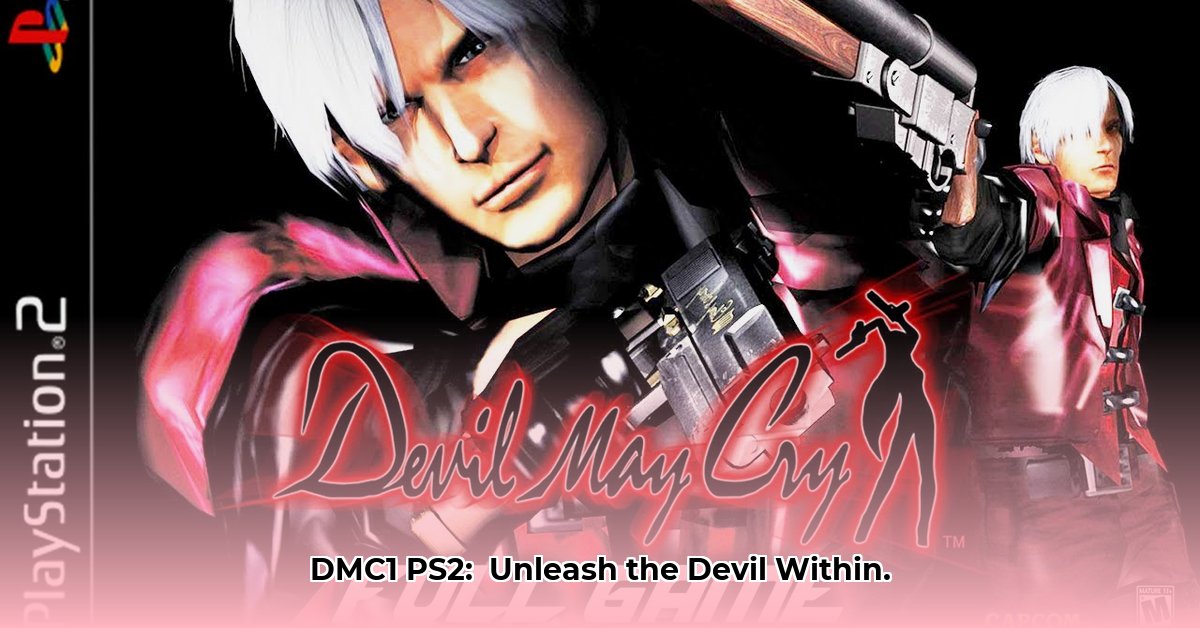
Devil May Cry 1, released in 2001 for the PlayStation 2, wasn't just another action game; it was a revolution. Initially conceived as a Resident Evil title, its evolution into a stylish action masterpiece redefined the genre. This article explores the innovative design choices, the compelling narrative, and the lasting legacy of this iconic game.
From Horror Roots to Stylish Action
What truly sets Devil May Cry 1 apart is its groundbreaking combat system. Forget clunky movement; Dante, our devil-hunting protagonist, boasts fluidity and grace rarely seen in contemporary action games. Inspired by titles like Strider, the game emphasizes acrobatic maneuvers and stylish combos.
Did you know that every successful combo, every perfectly executed dodge, directly contributes to your final score? This ingenious meta-game, the "Stylish Rank" system, incentivizes players to master their abilities, striving for the coveted "S" rank. This emphasis on stylish combat fostered unprecedented replayability, with players spending countless hours perfecting their technique. The system elegantly transformed what could have been merely button-mashing into an intricate dance of skill and precision.
Cameras, Levels, and the Thrill of Exploration
Unlike the fixed camera angles of earlier Resident Evil games, Devil May Cry 1 introduced a dynamic camera system. This wasn't merely a visual upgrade; it significantly enhanced the combat experience, providing a more immersive and fluid gameplay feel. The smooth transitions allowed players to fully appreciate both the exciting action sequences and the detailed environment.
Moreover, the game's level design encouraged exploration through intricate stages brimming with hidden secrets and challenging encounters. This fostered a deeper engagement with the game's mechanics, transforming simple combat into a rewarding journey of discovery.
Beyond the Bloody Battles: A Narrative Heart
While the combat is undeniably central, Devil May Cry 1 also boasts a compelling narrative loosely inspired by Dante Alighieri's Inferno. The story provided context and depth to the frenetic action, enriching the overall experience.
The memorable character designs, presented through dynamic cutscenes, added another layer of cinematic presentation, bringing the narrative to life beyond the core gameplay. The narrative, while not overly complex, successfully invested players in Dante's world and motivations, enhancing the engaging aspects of the combat and exploration.
A Legacy of Style and Influence
Devil May Cry 1's impact on the gaming industry is immeasurable, significantly influencing countless subsequent titles. Its innovative combat system became a benchmark for the action genre, setting a new standard for stylish action. The game's aesthetic, its rewarding scoring system, and its focus on skillful play continue to resonate with developers to this day. It established a new paradigm for action games, blending intense combat with narrative depth and a unique stylish aesthetic.
A Glimpse at the Technical Specifications
| Feature | Description |
|---|---|
| Platform | PlayStation 2 |
| Release Date | August 2001 |
| Genre | Action-adventure |
| Game Engine | Capcom's proprietary engine |
| Scoring System | Style-based, rewarding skillful, efficient play |
Devil May Cry 1's success lies in its daring departure from the norm. The innovative design choices not only created a timeless classic, but also cemented its place as a foundational title within the action genre. The innovative blending of intense combat sequences and a captivating storyline continues to inspire and influence game developers, underscoring its enduring legacy.
How Devil May Cry 1 Still Influences Modern Game Design
Key Takeaways:
- Masterful Combat: Devil May Cry 1's combat system, while deceptively simple, is highly intricate. Mastering it requires a deep understanding of its mechanics.
- Stylish Execution: The game rewards fluid combos, precise timing, and resourceful play, transforming simple actions into an art form.
- Environmental Awareness: Effective utilization of the environment and enemy behavior significantly impact the outcome of each encounter.
- Rewarding Risk: The ranking system encourages aggressive and diverse play, rewarding those who embrace the challenge.
- Skill-Based Progression: Modern games could learn from Devil May Cry 1's emphasis on rewarding skillful play over simple damage output.
Devil May Cry 1 didn't just introduce a new protagonist; it revolutionized action game combat. Its influence resonates through countless titles. The game's lasting impact stems from its elegant simplicity, challenging yet accessible core mechanics, and emphasis on rewarding skilled play. Even today, many games strive to capture the stylish combat and satisfying challenge of the original Devil May Cry.
⭐⭐⭐⭐☆ (4.8)
Download via Link 1
Download via Link 2
Last updated: Friday, May 16, 2025